

Around Thanksgiving, many IT providers quietly stop marketing. The logic sounds reasonable: nobody buys during the holidays. Your prospects are doing the opposite, sitting down to decide what next year costs and who gets paid.
Around Thanksgiving, many IT providers quietly stop marketing. The logic sounds reasonable: nobody buys during the holidays. Your prospects are doing the opposite, sitting down to decide what next year costs and who gets paid.

October means your prospects' inboxes are filling with breach stats and "Are you next?" subject lines, most of them from your competitors and most of them reading a lot like yours. The problem isn't that you're scaring people. It's what you hand them after the scare.

Have you been frustrated by your marketing, either because you feel it lacks direction or simply isn’t worth the investment? This isn’t uncommon, as many people tend to see marketing as a series of individual efforts and actions (like posting on social media or running an ad) rather than the interconnected system it must be to support your success.
If done correctly, this system has seven steps to follow whenever you’re promoting your business and its services. Let’s explore what they look like, why things often fall apart, and how to fix that tendency.
When it comes to marketing, a campaign serves as a roadmap—aligning specific goals with the strategies and tactics needed to achieve them. While tools and platforms continue to evolve, the foundational campaign types that drive results remain largely unchanged.
In this article, we’ll explore four proven marketing campaign types, how they’re commonly used today, and when each one makes the most sense for your marketing efforts.

Marketing your business is one of the most crucial factors to its success. Unfortunately, it can also be one of the most expensive. To avoid this, you must plan a budget for your marketing initiatives. What follows is a step-by-step guide to crafting a budget that best fits your needs as a company.

Let’s rip off the Band-Aid and just say it:
Yes, direct mail remains valuable to a business’ comprehensive marketing strategy, particularly in B2B applications. The only caveat is that it must be used strategically for this to stay true.
Let’s take a few moments to review why direct mail is commonly seen as a good tactic and how you can (and should) optimize it for your organization’s operational benefit.

Capturing leads is only the first stop. Turning them into clients? That’s where the real challenge lies. Success isn’t just about making a good first impression—it’s about maintaining the momentum. A well-crafted email nurture sequence bridges the gap between the initial interest and long-term commitment, providing a scalable, strategic way to guide leads through the sales funnel.

As MSPs, delivering value goes beyond just providing services—it’s about giving knowledge to our clients and prospects. However, with so little time in the day to manage and maintain your existing client base, how can you even think of providing this information, too? This is a question our MSP blog service answers.

Email marketing is a supremely beneficial element of a managed service provider’s overall marketing strategy. Once you have permission to reach out to a contact via email, there are quite a few ways to use it to promote your business’ services.
One such way is through cold emails, but are they effective enough to bother with? Is there a more effective way you can send them?
As a managed service provider (MSP), you know the importance of having a solid business plan. It serves as a roadmap for your business, outlining your goals, strategies, and financial projections. A well-crafted business plan can help you secure funding, attract clients, and guide your business toward success.
In this article, we’ll discuss the five essential steps to creating a killer business plan that will set your MSP up for growth and profitability.

If you haven’t heard of always-on marketing, there’s probably a good reason for that: the term is a relatively new one, and represents something that we really haven’t seen before. Let’s try to explain what it is, and how you can take advantage of it for your benefit as a managed service provider.
Like most people, when you hear the word “promotion,” you probably associate it with the words like “sale” and “discount.” And, while those words are often synonymous with promotion, they shouldn’t always be. Here are some examples of some non-sales-related promotions you can run to promote your company and its products and services.
Recently, we wrote about how constructing a marketing strategy for yourself - more specifically, developing your brand - takes time. We ended that piece, Rome Wasn’t Built in a Day - Your Marketing Shouldn’t Be, Either, with a question: what if your new brand doesn’t work as well as it should?

Time is often a key ingredient for things to turn out well. The longer cheese ages, the better it is often considered to be, and the longer a 401k has to build and mature, the better off one will be later on. In many ways, an effective MSP marketing campaign works in the same way - it takes time to build up and optimize your efforts before they’ll crystallize into successful conversions.
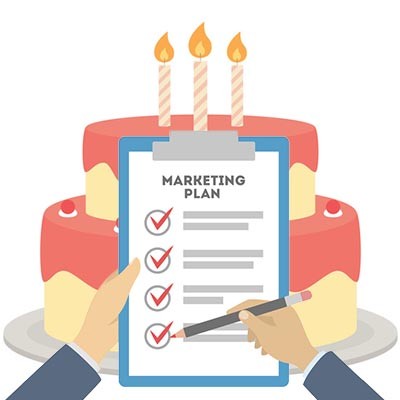
“Marketing… how hard could it be, right?”
This is the position that many business owners take when they decide that it is time to market their services. They figure if they just have a website, a few social media accounts, and keep their doors unlocked during business hours, they’ll be set. Unfortunately for these business owners, they don’t have someone to show them the right way of marketing - having a plan.

When it comes to marketing, a campaign is an outline of how you’re going to reach a specific marketing goal: By using tactic 1, tactic 2 and tactic 3, we’re going to achieve a specific goal. Below, we’ve listed 4 popular campaigns types and when you might want to use them to reach your marketing goals.

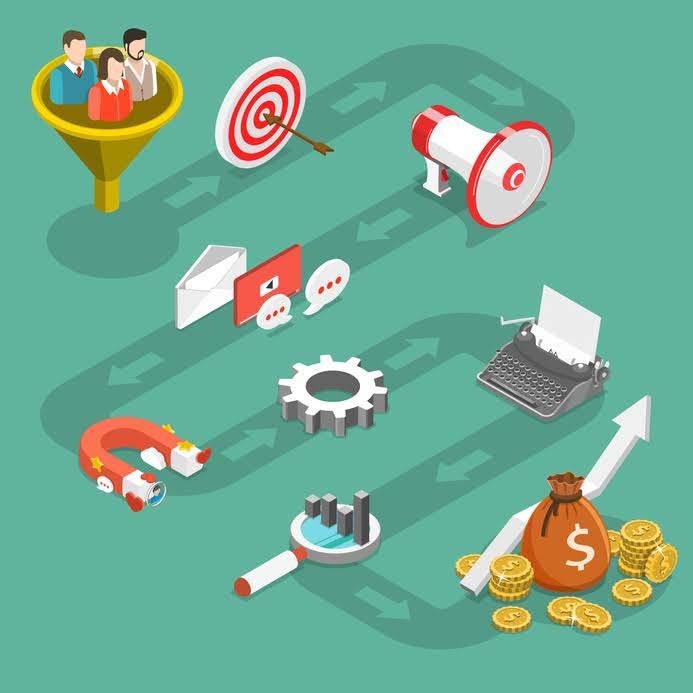
As business currently stands, each and every company (including those who provide managed services to others) need to be actively engaged in marketing efforts. Without these efforts, prospects are simply unlikely to progress to be the clients a business needs. There are tools, however, that an MSP may use to lead a prospect through what is known as the marketing funnel, or the progression of initiatives that help nudge a prospect to become a lead, and from there a client.
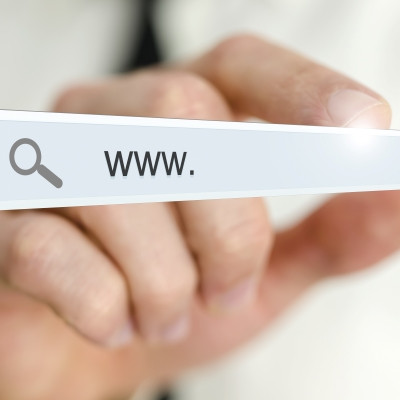
URL—or uniform resource locator—is the technical term for the web address used to navigate to a website. Historically, the URL has always begun with “www,” to signify the “world wide web”... but is it really necessary to include this information on your marketing materials?

In the age of web 2.0, marketing has evolved from customers being told what to buy, to one in which business and customers have a conversation about which product is best suited for their needs. More often than not, this conversation occurs on social media.
So for example, let’s say you have a new service you wish to promote and are using social media to tell your customers about it. For this primer, we will refer to Facebook, but the same concepts apply to all types of social media marketing.
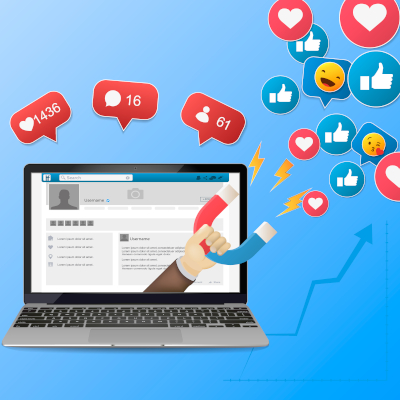
Social media, in the relatively short time it has been a part of modern society, has revolutionized how we communicate—and business communications are no exception. Let’s go over why you should absolutely be using social media to your marketing’s benefit, and how you should go about doing so.