

If you haven't revisited direct mail as part of your outreach strategy recently, it's probably worth a second look. The conditions that made it easy to dismiss, like high cost, limited targeting, and lack of integration with digital, have largely been addressed. What's replaced them is a channel with less competition, more prospect attention, and better measurability than most MSPs realize.

JoomConnect Blog
Your best clients aren't dependents—they are partners. If you play your cards right, they become something even more powerful: advocates.
With 84% of B2B decision-makers starting their buying process with a referral, turning that silent satisfaction into vocal advocacy isn’t just "nice to have"—it’s the most efficient code you can write for your revenue growth.
Standing out in today’s very loud and congested marketplace is tough. You offer excellent service, you know your tech, but your marketing feels... generic.
It’s a common problem, especially amongst managed service providers. Many MSPs focus so heavily on the what (services) that they forget the how (communication). The solution: developing a unique, consistent brand voice. This isn't just marketing fluff; it's how you turn prospects into customers and customers into raving fans.
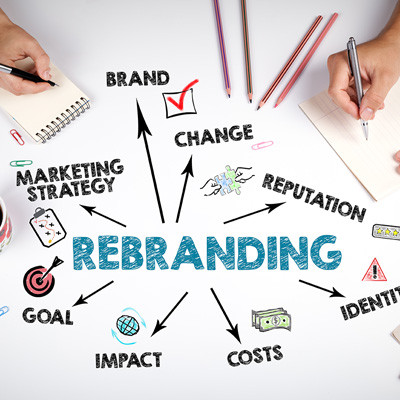
There are many reasons that you may be considering a business rebrand. Maybe your business has grown and shifted so that your existing brand no longer applies, or your brand has simply aged out of relevance.
Regardless of why, it is vital to get the process right. We’re sharing seven tips to help you pull off your rebrand with confidence… and more importantly, success!
While marketing may feel like a fiercely independent endeavor for every business, this is only half true. Sure, you may not want to promote one of your direct competitors… but why not work with another company, in a different industry, to meet both your goals?
This approach is almost a marketing cheat code, the rising tide that raises all ships. Let’s talk about why such partnerships are so valuable and how to take advantage of the marketing advantages for yourself.
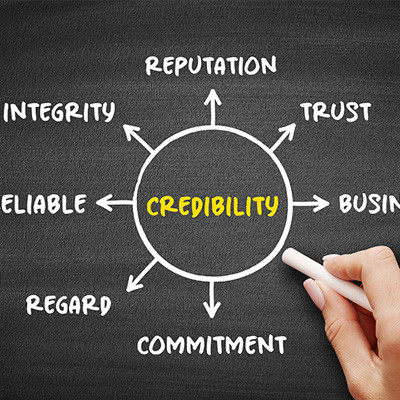
It’s one thing to deliver a message to an audience. It’s another thing entirely to have that audience believe and trust you, putting what you say into practice. The first just takes marketing. The second, however, requires you to have built up your perceived trustworthiness: your “ethos,” or credibility.
Let’s explore why credibility is so important to your business' success and how you can cultivate it among the audience you want to attract.
The idea of marketing can be intimidating, particularly for small (or, yes, even medium-sized) businesses. After all, other work must still be done, and properly promoting your company and its services can drain your resources. That said, marketing is something that no business can go without.
We’ve strategized and tested different ways to execute marketing efforts most effectively, so we can confidently recommend a few marketing campaigns. In our experience, the five you’ll see below are essential to any MSP’s success.
MSP Marketing is something a majority of companies struggle with. Without the right tools, marketing success is unlikely. Business owners are hammered with the importance of building a brand, brand awareness, brand recognition, brand identity, and many think they can achieve this by simply slapping a logo wherever it is most noticeable. Your brand identity is essentially your DNA, although reflecting it isn't always that simple.
Here's a beautiful thought, what if your clients and prospects actually looked forward to receiving your marketing material? What if customers spent more time reading your company newsletter than reading their favorite magazine? What if instead of tossing your newsletter in the junk mail pile, customers filed it away as a helpful resource? This kind of customer connection is possible with content marketing.
URL—or uniform resource locator—is the technical term for the web address used to navigate to a website. Historically, the URL has always begun with “www,” to signify the “world wide web”... but is it really necessary to include this information on your marketing materials?
The word ‘logo’ is derived from the Greek word ‘logos,’ which directly translates to ‘word’. In the world of marketing and design, creating a logo is like creating a visual word that will be used to identify your brand. Your logo should be treated as the foundation for messages coming from your company as it sets the stage for all branding efforts.
In recent months we have taken a look at how to direct people to your company's website using social media and how to make your site a resource-latent hub to garner additional sales opportunities from your company's website. This month we will take an in-depth look about branding and rebranding. It is important to focus on how your company's brand, can be as important as the services or goods you offer. This brand identity may give you the competitive advantage you've been looking for.
The marketing term “brand” has very literal roots, as it comes from the long-antiquated practice of branding livestock with a symbol that signified who owned that particular animal. Nowadays, however, “brand” implies much more than just a company’s ownership in its name or logo--it also suggests the personality and culture that a company exhibits and embraces. A brand, by design, is meant to shape how a company will be perceived by the public and is therefore a precious and fragile thing that requires careful maintenance. However, once started, developing a comprehensive brand identity and corresponding activity is fairly simple.
Your company’s brand is a critical aspect of any and all of your marketing efforts. No matter what medium you are marketing in, and no matter what point in their journey a potential buyer may happen to be, your brand and message has to be consistent to everything you are producing. After all, your marketing establishes a personality of sorts that your audience will begin to associate with your company.
What is the difference between a good brand, and a great brand? Consistency.
What is one thing that all big name companies have in common? They are consistent across the board with all of their marketing initiatives. All collateral, all print pieces, all advertisements, and all graphics, together reflect a cohesive, unified image.